Moral Judgement About Harm: Emotion, Reasoning, and Their Interplay
When avoiding harm conflicts with maximising welfare, emotional harm aversion and reasoned cost-benefit analysis compete. My research examines what tips the balance.
Key findings
- Across eight independent studies, reasoning ability predicts utilitarian choices independently of aversion to causing harm[1]
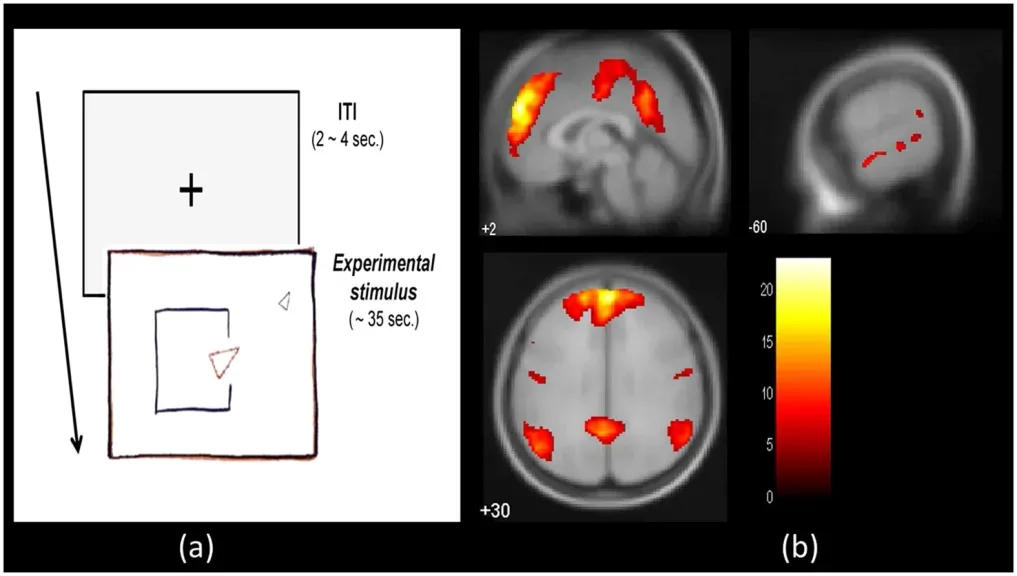
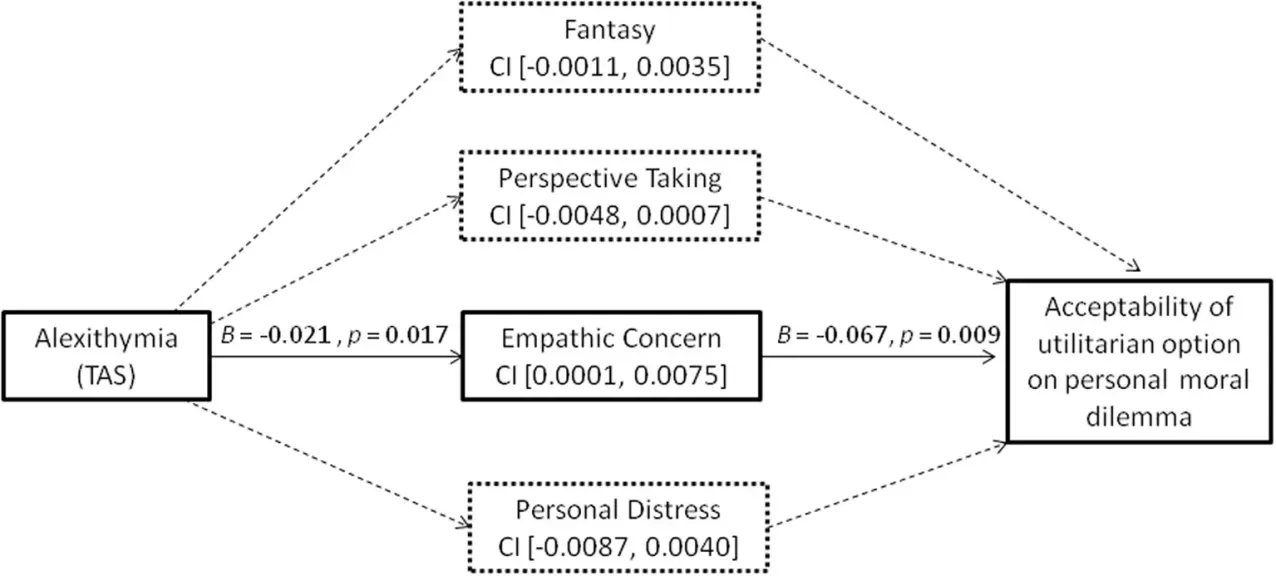
- Psychopathy's link to utilitarian judgement reflects reduced aversion to performing harmful acts, not its accompanying reduction in concern for victims[3]
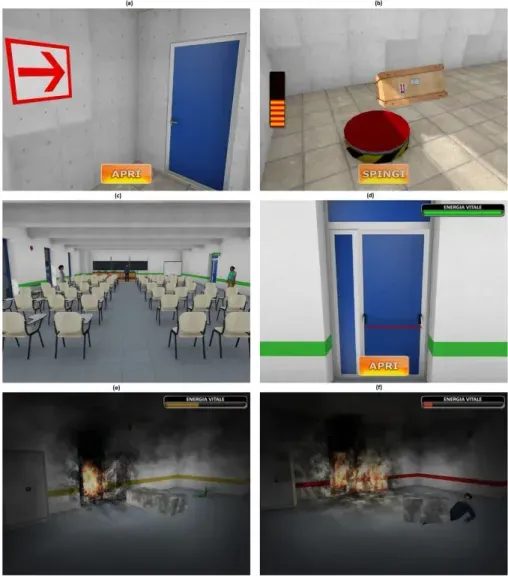
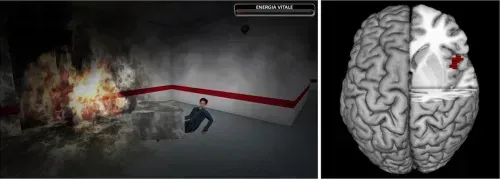
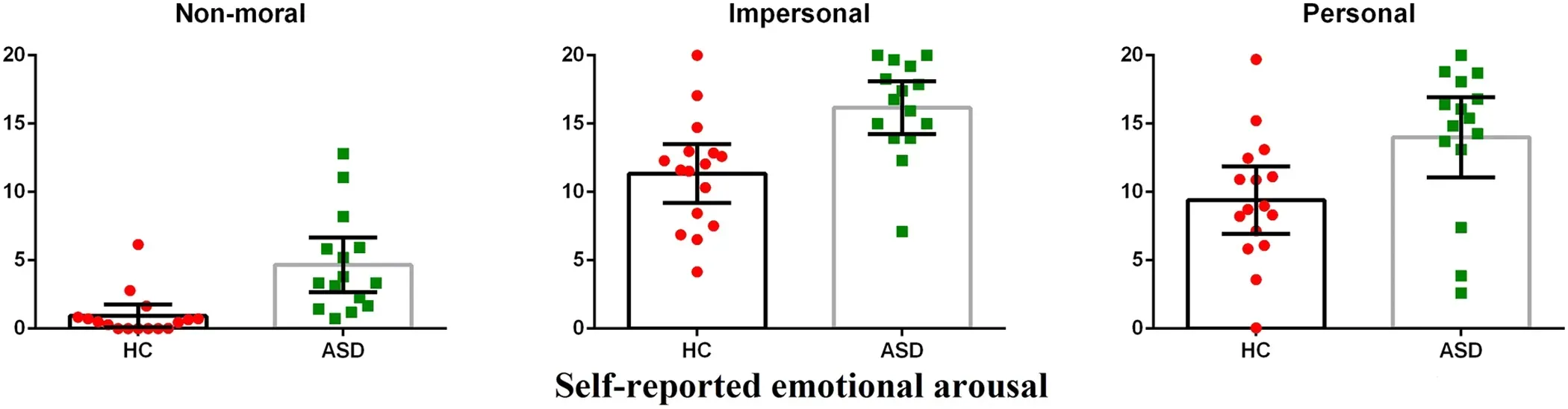
- People who reject sacrificing one to save many in written dilemmas nevertheless do so in emotionally arousing virtual reality[4]
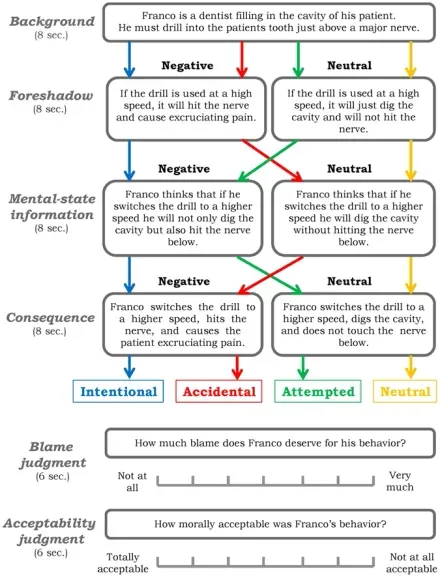
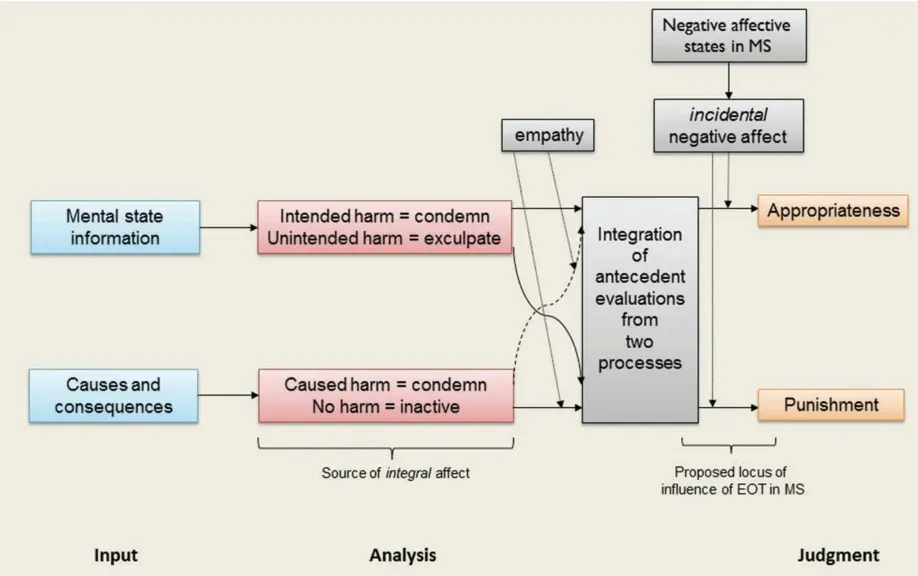
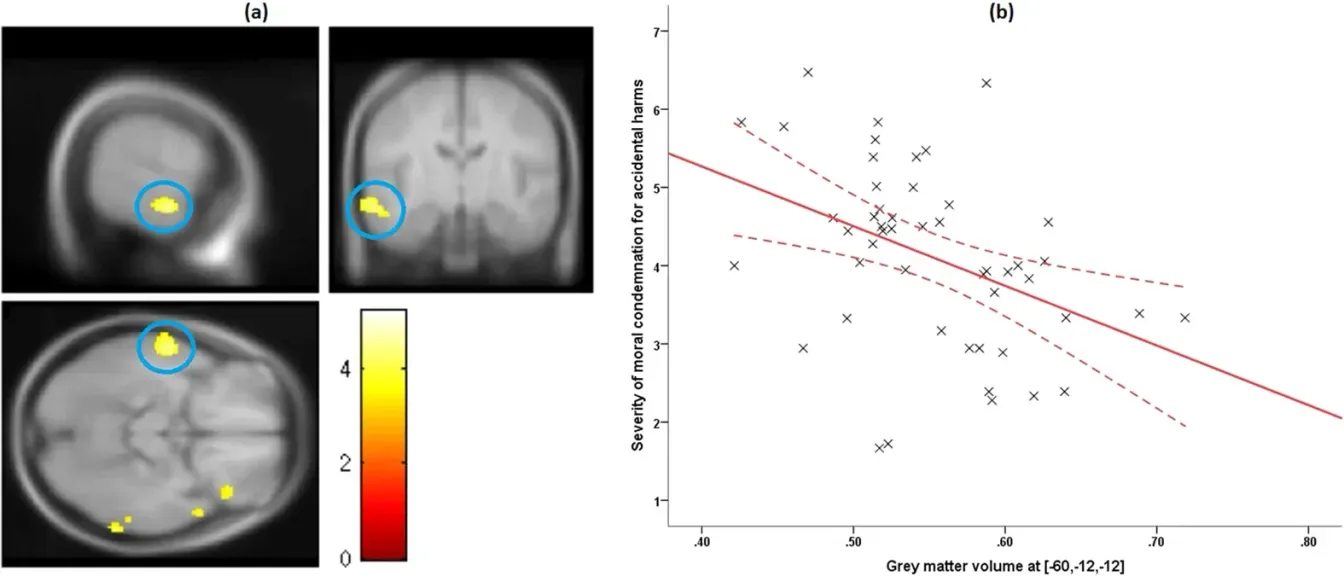
- Reasoning ability predicts leniency for accidental harm, but not intentional or attempted harm[2]

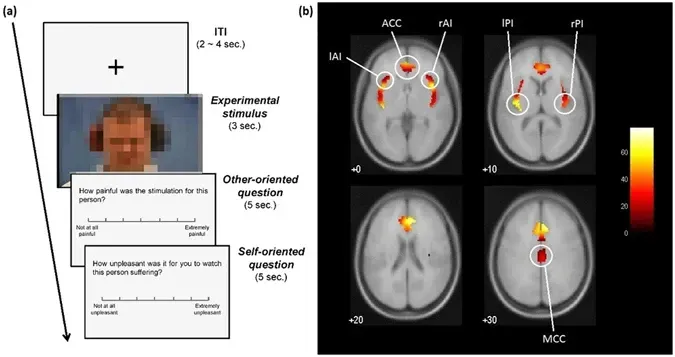
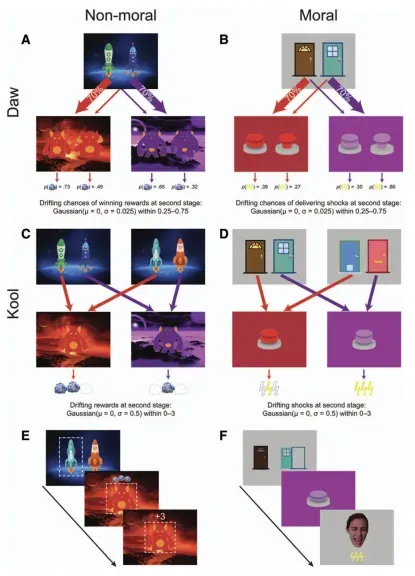
Dual-process theoryMoral dilemmasfMRIVirtual realityBehavioural experiments
Relevant Publications (4)
- [1] Patil, I.* , Zucchelli, M.M.*, Kool, W., Campbell, S., Fornasier, F., Calò, M., Silani, G., Cikara, M., & Cushman, F.A.. (2021). Reasoning supports utilitarian resolutions to moral dilemmas across diverse measures. Journal of Personality and Social Psychology, 120(2), 443–460.
- [2] Patil, I., & Tremolière, B.. (2021). Reasoning supports forgiving accidental harms. Scientific Reports, 11:14418.
- [3] Patil, I.. (2015). Trait psychopathy and utilitarian moral judgment: The mediating role of action aversion. Journal of Cognitive Psychology, 27(3), 349–366.
- [4] Patil, I., Cogoni, C., Zangrando, N., Chittaro, L., & Silani, G.. (2014). Affective basis of judgment-behavior discrepancy in virtual experiences of moral dilemmas. Social Neuroscience, 9(1), 94–107.
Find PDFs, supplementary materials, and data on the Publications page.