Golden Rules for Agentic Engineering
Golden rules for using coding agents to boost productivity without compromising quality: developer experience, deterministic guardrails, scope control, session hygiene, meta-automation, and team culture.
Talks and workshops on software engineering, open-source maintenance, R packages, and career advice.
Note: These RevealJS presentations are best viewed on desktop and may not display optimally on mobile devices.
For the projects behind the R package and open-source talks, see Open-Source Software. For career talks, the relevant background is summarised on the Industry page.
801 slide views since 4 April 2026

Golden rules for using coding agents to boost productivity without compromising quality: developer experience, deterministic guardrails, scope control, session hygiene, meta-automation, and team culture.

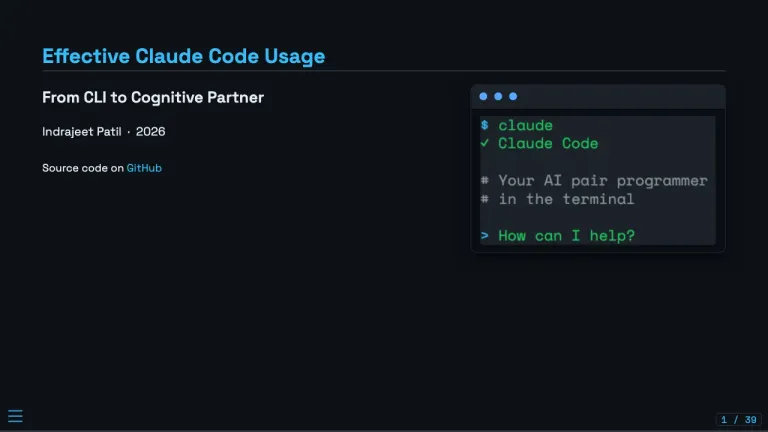
Practical tips on using Claude Code effectively for software development.

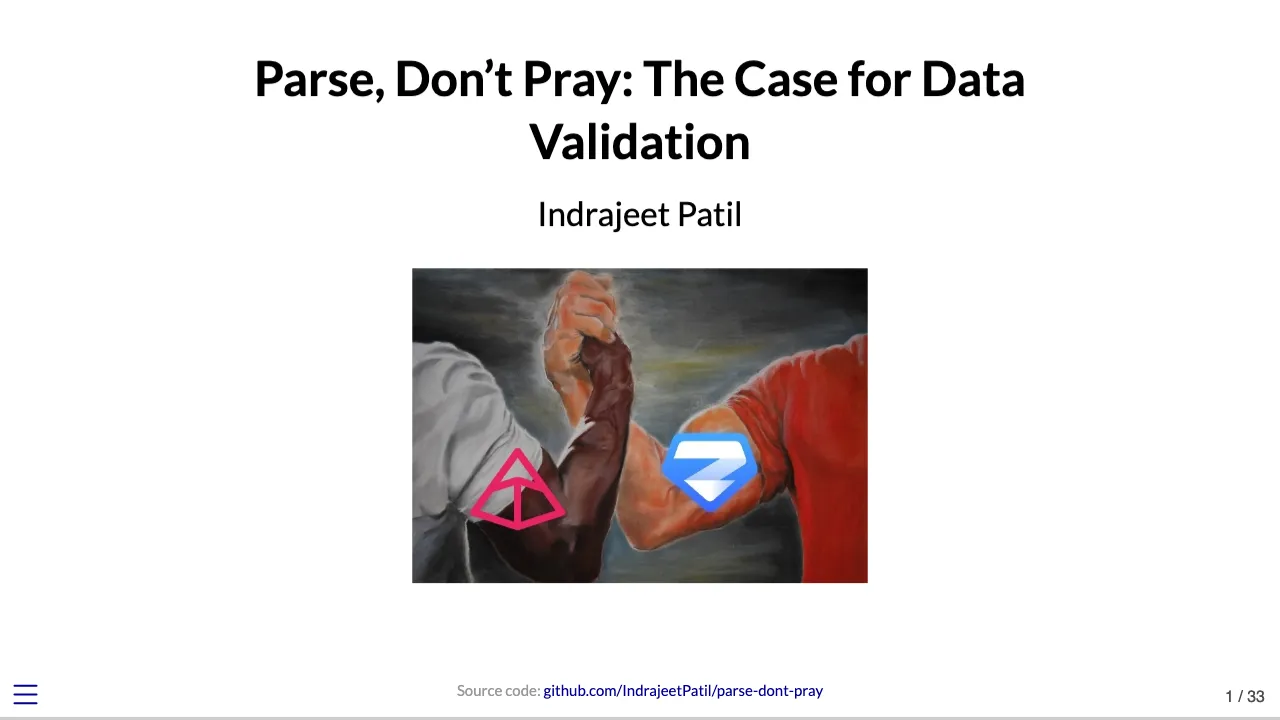
Why and how to validate data at system boundaries using libraries like Pydantic and Zod for type safety, security, and clearer errors.

Practical strategies for naming things well in code – common pitfalls to avoid, actionable naming conventions, and tools to enforce them.

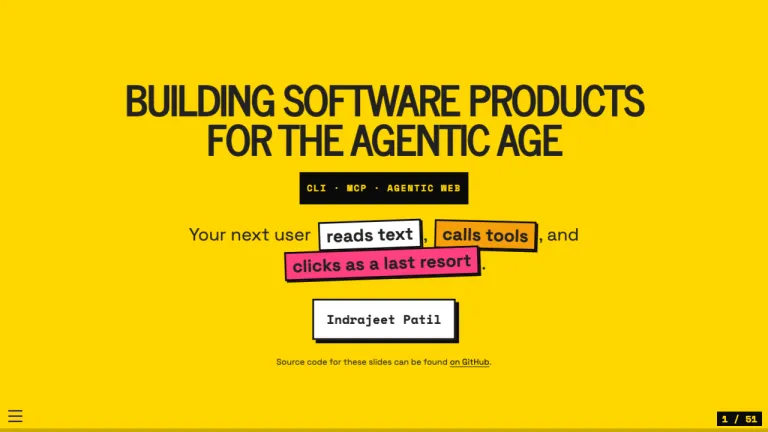
What it takes for software products and websites to work well with AI agents: agent-friendly CLIs, MCP servers, and websites that agents can discover, read, and trust.

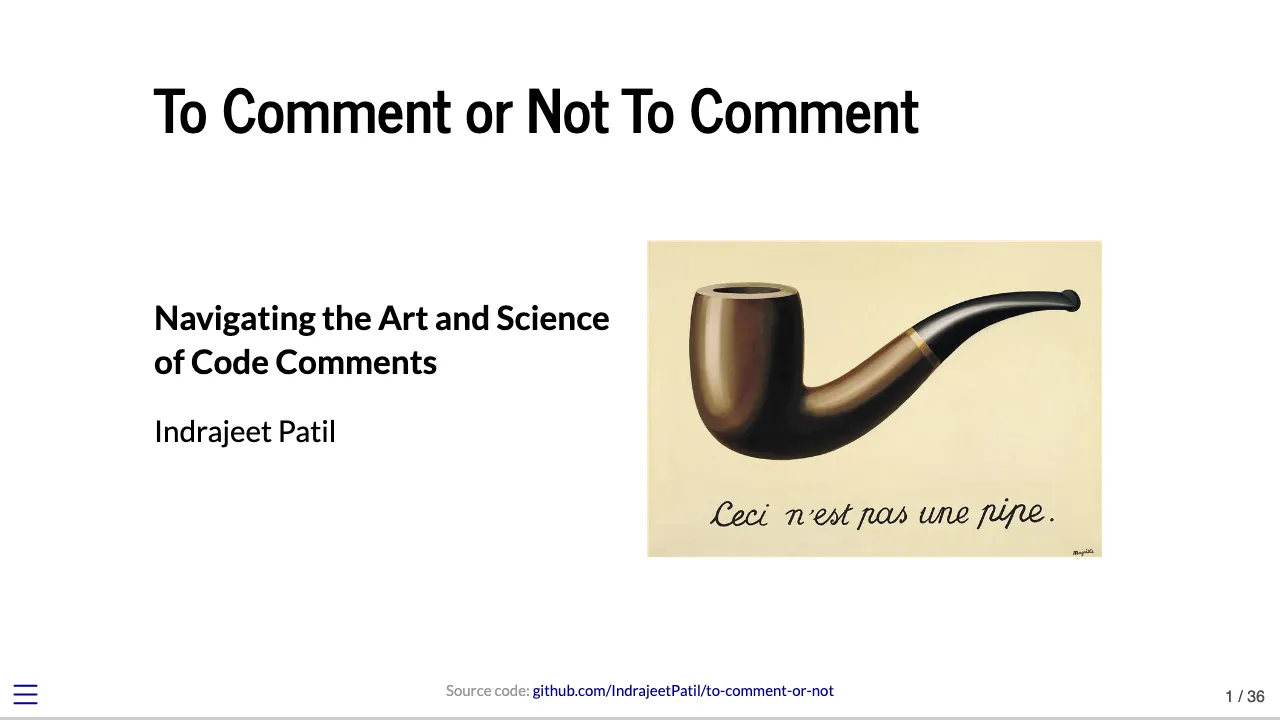
When code comments help, when they hurt, and how to write documentation that ages well.

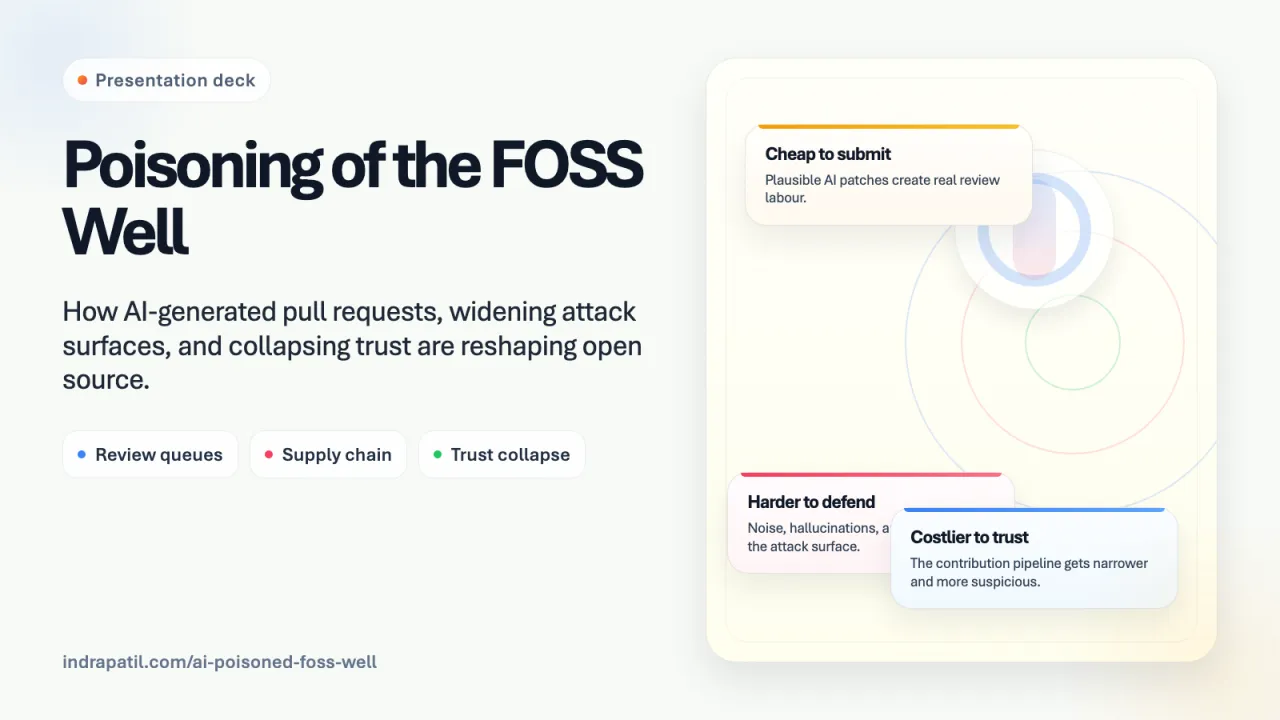
How AI-generated pull requests, synthetic issue noise, and collapsing trust are reshaping the free and open source software movement.

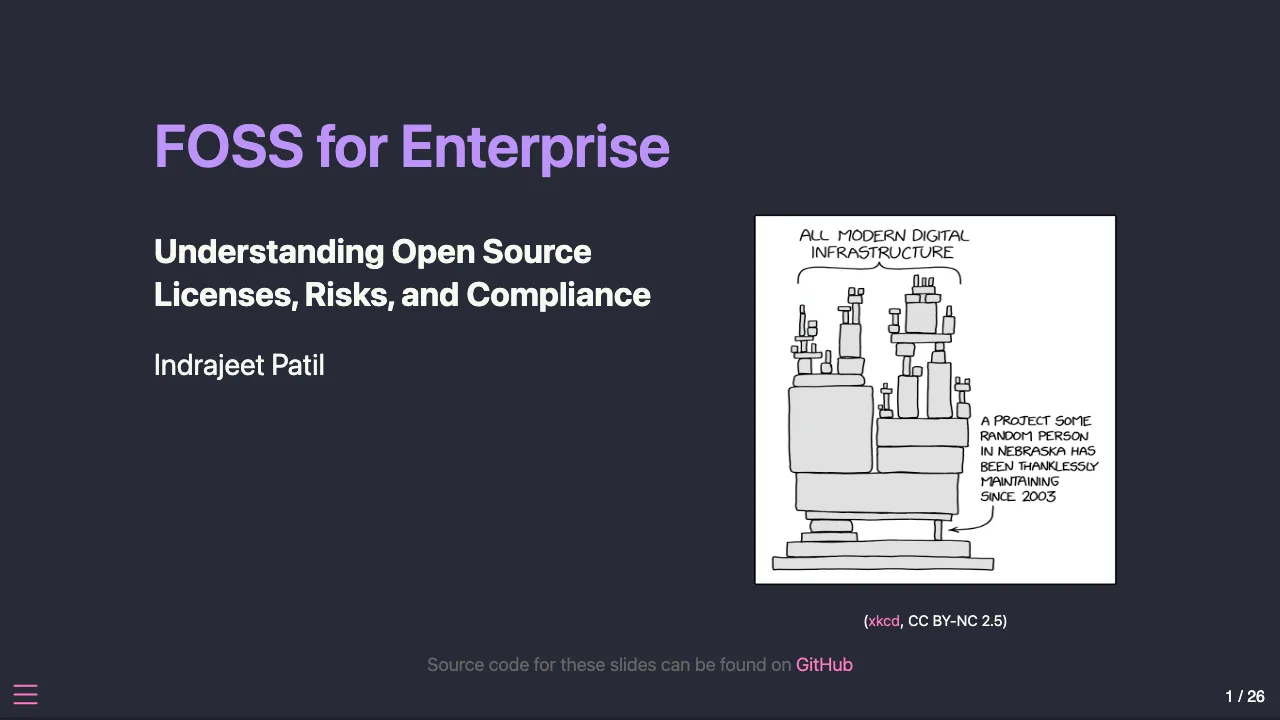
Managing open-source software in enterprise environments – licensing models, compliance requirements, security risks, and mitigation tools.

Techniques for reducing redundancy and keeping R packages maintainable at scale.

How to create publication-ready plots with embedded statistical details using ggstatsplot.

A practical guide to using snapshot tests for robust R package quality assurance.

Automating preventive checks – documentation, exception handling, portability, code quality, and dependency management – via CI workflows.

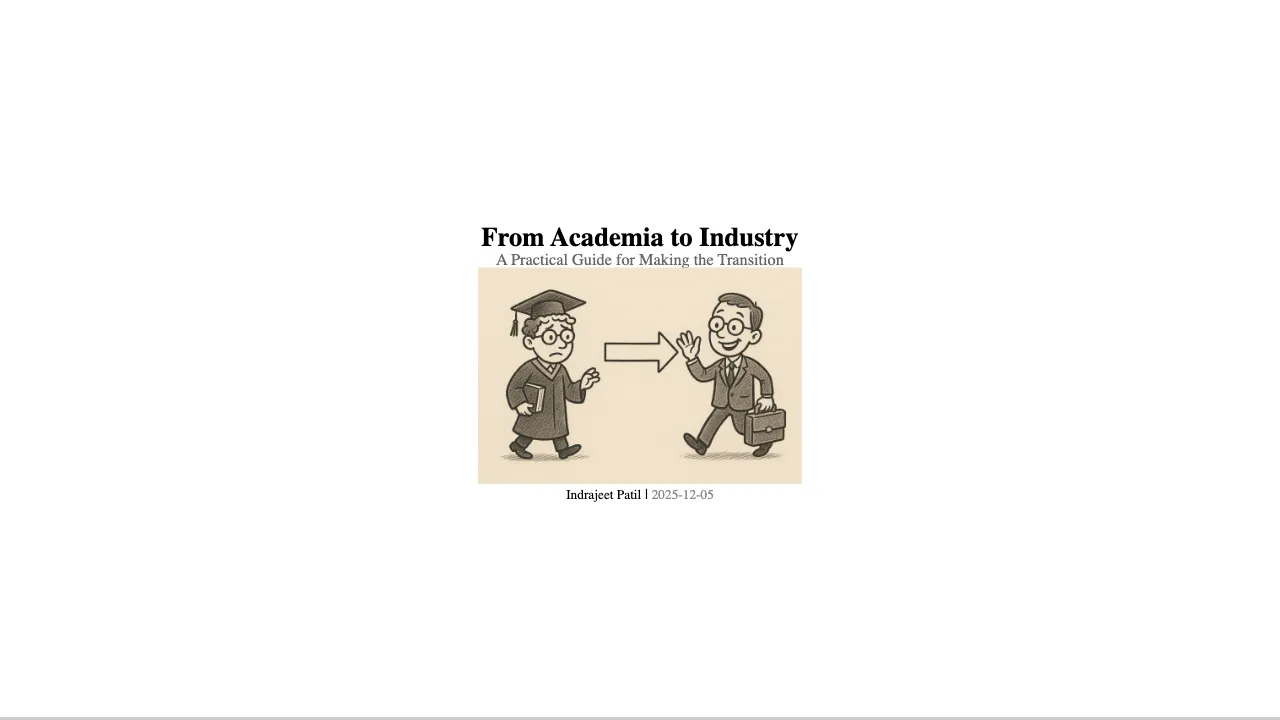
A practical roadmap for researchers transitioning to industry – self-assessment, skill translation, networking, and application strategy.